Compare Local Contractors for Poured Concrete Installation Success
Compare local contractors for poured concrete installation to define scope, verify experience, and set clear expectations in writing for a successful project.
Poured concrete installation projects typically encompass a range of applications, including driveways, sidewalks, patios, foundations, and slabs for various structures. These projects involve pouring liquid concrete into prepared forms to create a durable, seamless surface that can withstand regular use and environmental exposure. Understanding the scope of poured concrete work is important, as it can vary from simple flat slabs to complex shapes with reinforced features. Clarifying what is included-such as surface finishing, curing, and any additional structural elements-helps property owners ensure the work aligns with their specific needs and expectations.
Defining the scope of a poured concrete project is a crucial step in working with contractors. A clear scope outlines the size, shape, and finish of the concrete, along with any preparatory work needed for the site, such as excavation or form-building. Having this detail in writing helps prevent misunderstandings and provides a basis for comparing different service providers. It also ensures that contractors understand the project requirements thoroughly, which can lead to more accurate assessments of their experience and expertise in handling similar jobs.
When evaluating local contractors for poured concrete installation, property owners should consider their experience with projects similar in scope and complexity. Verifying the types of work they have completed and requesting references or examples can provide insight into their capabilities. Additionally, comparing how contractors define and document the scope of work, including details about materials, finishes, and site preparation, can help identify those who are thorough and detail-oriented. This approach allows property owners to make informed decisions based on the contractor’s understanding of the project and their ability to deliver results that meet expectations.
Compare local contractors by outlining project priorities, verifying experience, and clearly defining scope and expectations in writing.
- Verify Experience and Credentials - Ensure contractors have relevant experience in poured concrete installation to meet project requirements.
- Define Project Scope Clearly - Outline specific details and expectations in writing to prevent misunderstandings.
- Compare Local Contractors - Research and evaluate multiple service providers to find the best fit for the job.
- Request Written Estimates - Obtain detailed, written descriptions of work to compare scope and service quality.
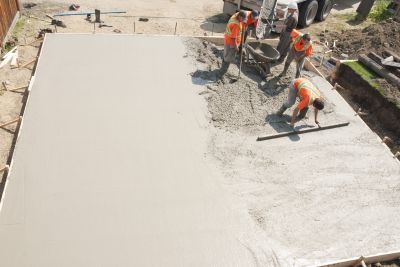
Compare local contractors by clearly describing your poured concrete project, defining the scope, and verifying experience to set clear expectations.
- Verify experience and references of local contractors with poured concrete installation to ensure quality workmanship. - Review previous projects to assess the contractor’s familiarity with similar concrete applications and site conditions.
- Define the scope of work clearly in writing, including surface preparation, reinforcement, finishing, and curing processes. - Ensuring detailed scope documentation helps prevent misunderstandings and sets clear expectations.
- Check that contractors follow proper site preparation procedures to ensure a stable and level foundation for the poured concrete. - Proper preparation is essential for long-lasting and structurally sound concrete work.
- Confirm that the scope includes specifications for concrete mix, reinforcement, and finishing techniques to meet project requirements. - Clear specifications help ensure the final result aligns with project standards and expectations.
- Ensure contractors provide detailed written estimates that outline the scope, materials, and work procedures. - Written estimates facilitate comparison and help set clear project expectations.
- Discuss and document the curing process and any necessary protective measures to prevent cracks and surface damage. - Proper curing and protection are critical for durable and high-quality poured concrete.
Compare local contractors' experience and clarify scope to ensure your poured concrete project meets expectations.

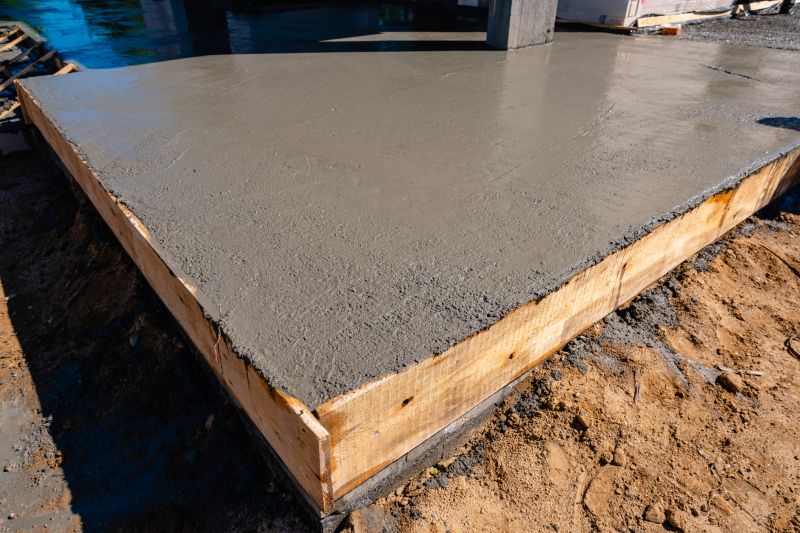
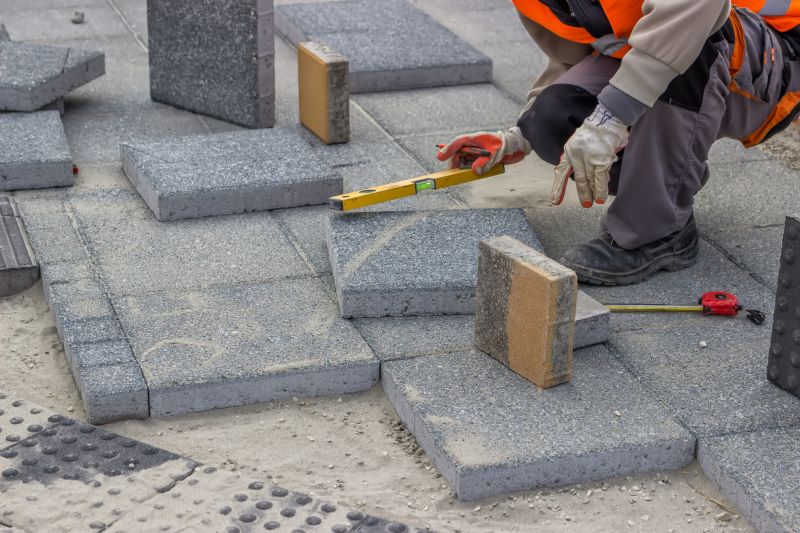
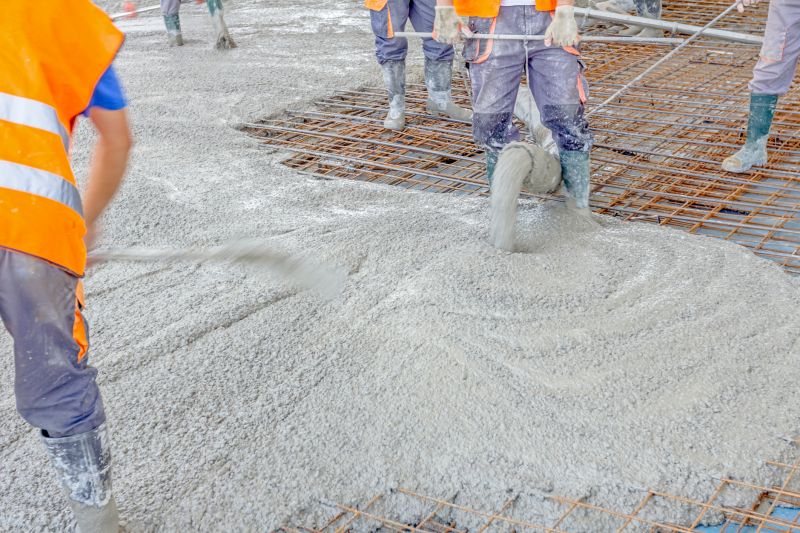
Learn how to compare local contractors, define project scope, verify experience, and set clear expectations in writing.
- Scope Definition - Clearly outline the specific areas and surfaces where poured concrete will be installed to establish project boundaries.
- Material Specifications - Specify the type and quality of concrete mix, reinforcement, and any additives required for the project.
- Preparation Requirements - Identify site preparation tasks such as grading, form setting, and moisture control needed before pouring begins.
- Installation Procedures - Detail the steps and techniques that local contractors should follow to ensure proper concrete placement and finishing.
- Acceptance Criteria - Define the quality standards and inspection points to verify the work meets project expectations before acceptance.
When evaluating contractors for poured concrete installation, it is essential to consider their experience with similar projects. Homeowners should inquire about the types of concrete work the service providers have completed, such as driveways, patios, or foundational slabs. Understanding a contractor’s background with comparable projects can provide insight into their familiarity with site-specific challenges and the techniques best suited for the scope of work. This background helps ensure that the selected service provider has the practical knowledge necessary to handle the unique requirements of the installation.
A clear, written scope of work is a critical component when comparing contractors. This document should outline the specific tasks involved, including surface preparation, form building, reinforcement, pouring, curing, and finishing details. Having a well-defined scope helps prevent misunderstandings and sets clear expectations for what the project entails. Homeowners are encouraged to review these written descriptions carefully, ensuring they are comprehensive and detailed enough to serve as a reference throughout the project’s duration.
Verification basics involve confirming that the service providers have a solid track record of completing similar poured concrete projects successfully. This can include requesting references or examples of past work, verifying that the contractor has the necessary equipment, and assessing their understanding of best practices for quality results. While licensing and certification are not part of this process, gathering information about a contractor’s previous projects can help gauge their reliability and skill level, supporting an informed decision.
When comparing options, it is important to evaluate the qualifications and approach of each contractor rather than focusing solely on pricing. Homeowners should ask about the methods they use, the materials they recommend, and how they plan to manage site conditions. Reviewing the scope of work and verifying the contractor’s experience can help identify the most suitable service providers for the project. Ultimately, choosing a contractor who communicates clearly, provides detailed written plans, and demonstrates a solid understanding of poured concrete installation can lead to a smoother, more predictable project outcome.
Ask contractors to provide written scope details to ensure clear expectations and consistent project understanding.
- Experience and Expertise - What specific experience do local contractors have with poured concrete installation projects similar to yours?
- Scope of Work - How do contractors define and clarify the scope of work to ensure all project details are covered?
- Materials and Techniques - What materials and installation techniques do local service providers recommend for your specific application?
- Project Expectations - How do contractors document project expectations and deliverables in writing to prevent misunderstandings?
- Comparison Factors - What criteria should be used to compare different local contractors’ approaches and scope definitions?
What should I consider when choosing a contractor for poured concrete installation? It's important to compare the experience, reputation, and scope of services offered by different local contractors to ensure they can meet your project needs effectively.
How can I verify a contractor's experience with poured concrete work? You can review their previous projects, ask for references, and check their portfolio to assess their expertise and quality of work in poured concrete installation.
Why is it helpful to define the scope of work in writing? Having a detailed written scope helps set clear expectations, reduces misunderstandings, and provides a reference for the project's agreed-upon work and responsibilities.
What questions should I ask a contractor before hiring for poured concrete installation? Inquire about their experience with similar projects, the materials they use, their process, and how they handle potential issues during installation.
How can I ensure that the contractor understands my project needs? Clearly communicate your project requirements, ask for a written plan or proposal, and confirm that all details are documented before work begins.
What is the benefit of comparing multiple contractors for poured concrete work? Comparing different service providers allows for evaluating their experience, scope, and approach, helping to find the best match for your specific project requirements.
By exploring the information provided, visitors have learned how to identify qualified contractors for poured concrete installation, including defining project scope, verifying experience, and establishing clear expectations in writing. This approach helps ensure that the process of selecting a service provider is informed and straightforward, making it easier to compare options within the local area.
Using the quote form allows visitors to connect with experienced service providers who can handle poured concrete projects. It offers a simple way to gather information and compare local contractors, helping to make well-informed decisions tailored to individual project needs.